Inside the packaging: eco-friendly and collector-friendly
When your Internet Historian merch arrives, the first thing you notice is the packaging itself. The brand uses minimal, recyclable materials like kraft paper mailers and cardboard inserts, avoiding unnecessary plastic. This aligns with the channel's occasional commentary on environmental issues and fast fashion waste. The box is sturdy enough to protect the contents, but also easy to open without damage if you want to keep it as a collector's piece.
Inside, each item is wrapped in tissue paper printed with subtle references to the channel's iconic memes - a nod for eagle-eyed fans. You won't find cheap polybags or excessive bubble wrap. Instead, the packaging feels intentional, almost like a limited edition release. Many unboxing videos on YouTube highlight this attention to detail, with creators pointing out the custom stickers included as a bonus.
First impressions: fabric feel and print quality
Once you unwrap the shirt or hoodie, the first thing you'll notice is the fabric. Internet Historian merch uses heavyweight cotton (often 6.5 oz or higher) on blank garments from brands like Independent Trading Co. or similar mid-tier suppliers. The material feels soft but substantial - not scratchy or thin. Fans in online forums often remark that the shirts hold up well after multiple washes, with minimal shrinkage if you follow care instructions.
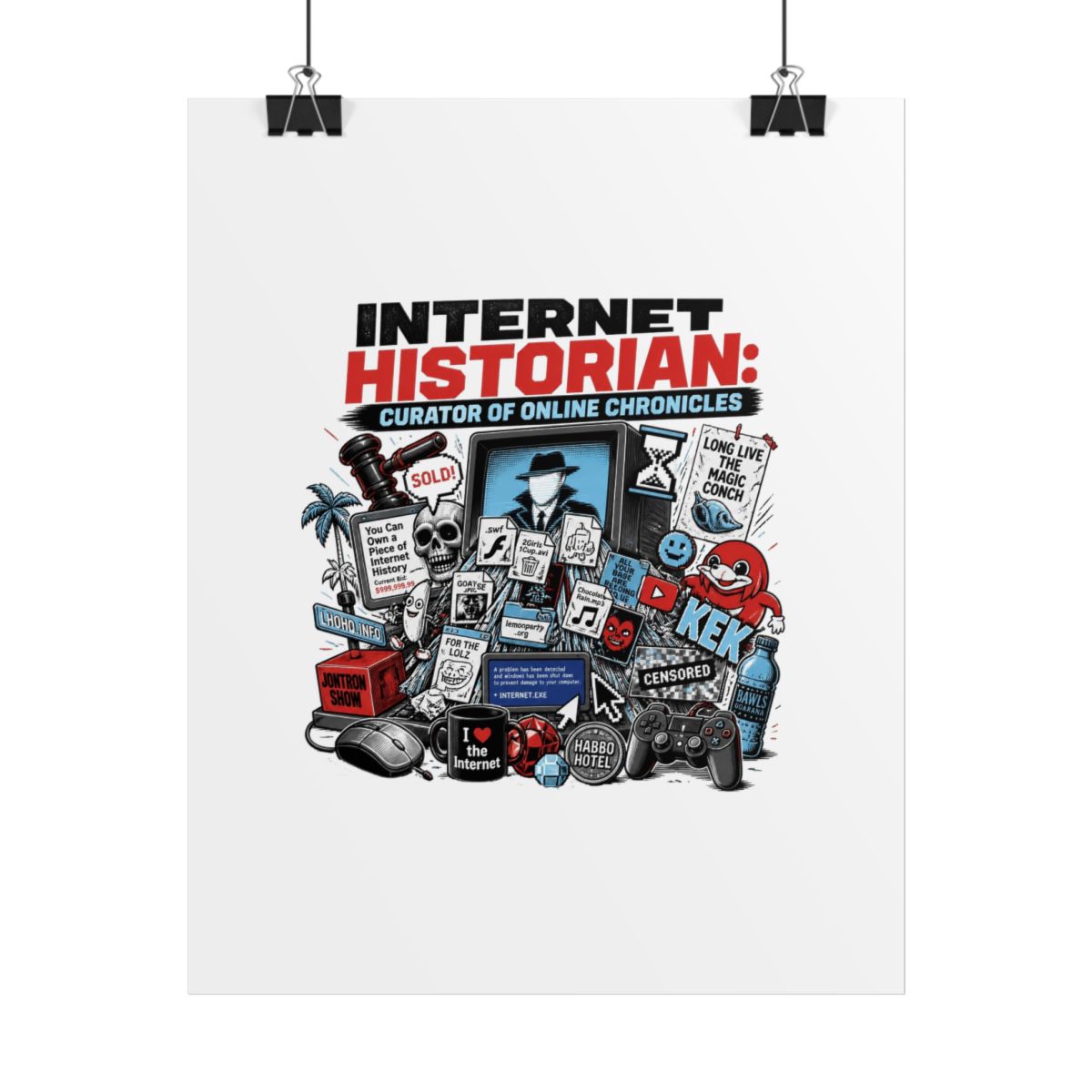
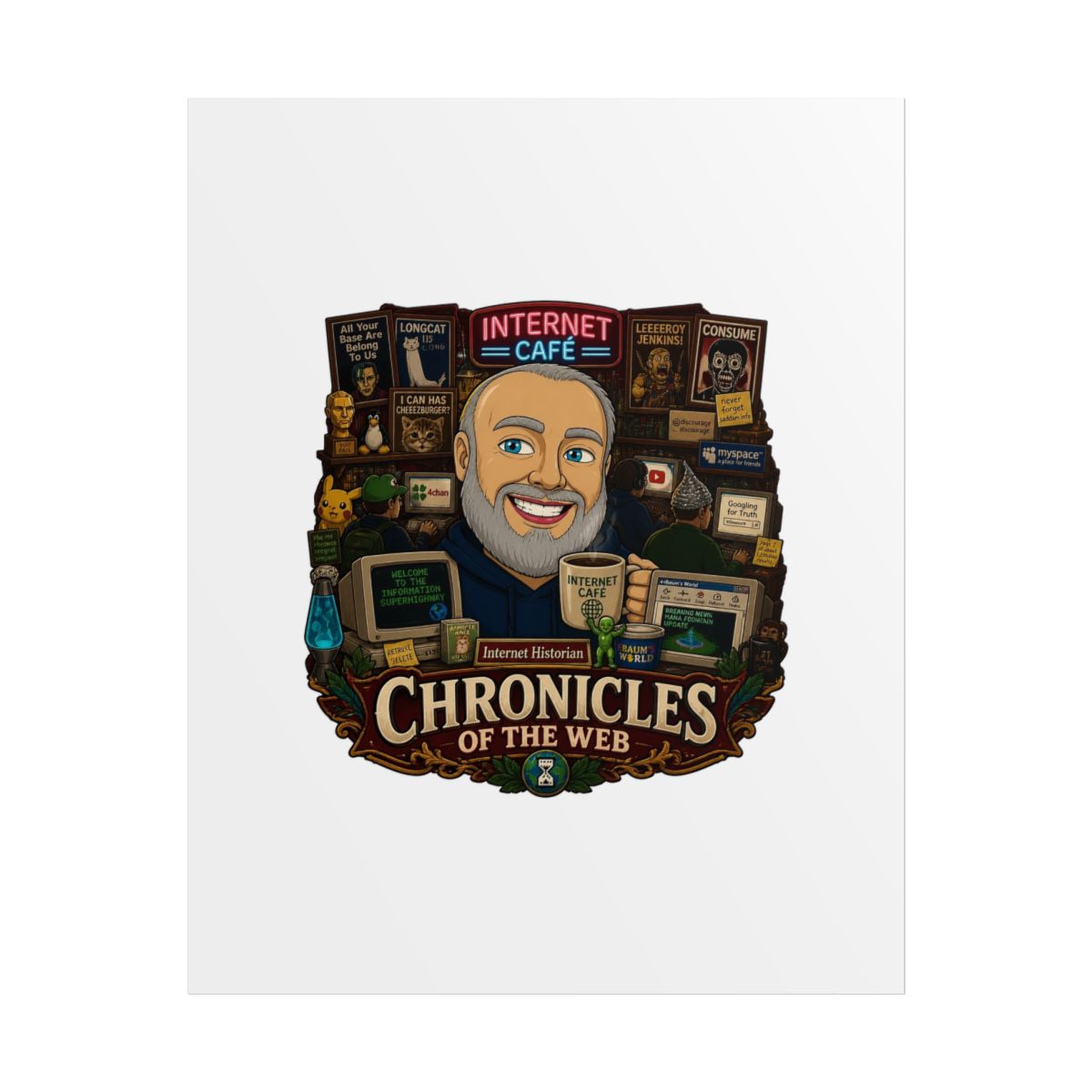
The print quality is also a standout. The designs are screen printed with thick, vibrant ink that retains detail even on complex illustrations. For example, the "Man in Cave" design features fine linework and gradients that could easily blur, but the manufacturing maintains sharp edges. The print doesn't have that stiff, plasticky feel you get with some cheaper DTG prints; it's soft to the touch and breathes well. You can wear it all day without discomfort.
Checking for authenticity: tags and details
If you ordered from the official store (linked from the Internet Historian's YouTube channel or website), every piece comes with specific tags that confirm authenticity. The hang tag often features the channel's mascot or logo, with a QR code that takes you to a verification page (though most fans don't bother scanning). Inside the garment, the neck label shows the blank brand (like Independent Trading Co.), and a small wash tag with care instructions. No counterfeit tags or spelling errors.
Another subtle detail: the official merch often includes a small embroidered logo on the hem or sleeve - not everywhere, but on select items like the baseball tee or cap. This small touch adds a premium feel and helps differentiate it from bootlegs on third-party marketplaces. If you see a shirt without any branding tag or with a generic tag from a different supplier, it's likely not official. The YouTube community has posted several "spot the fake" comparisons that highlight these differences.
What fans are saying in their unboxing videos
Searching "Internet Historian merch unboxing" on YouTube brings up dozens of videos from fans eager to share their haul. A recurring theme: the packaging surprises people. Many comment how the eco-friendly materials feel thoughtful, not cheap. Others compare the print to high-end streetwear brands, noting the rich colors and crack-resistance. Some videos even do a side-by-side with older merch drops to show how quality has improved over time.
A few negative takes exist, mostly about sizing. The official size chart is accurate, but some fans wish the shirts were a bit longer or wider. However, these complaints are rare. Overall, the consensus is clear: the merch matches the quality and humor you expect from Internet Historian - it's well-made, true to the channel, and worth the wait (shipping can take 1-2 weeks). If you're still on the fence, watching these unboxings is a great way to see the actual product before buying.
Ready to see for yourself? Browse the current collection and find your favorite design.