Most people ruin their favorite merch in the first wash. They toss it in hot water, hit heavy spin, and wonder why the print cracks after three wears. I‘ve seen it happen countless times over 10 years in print-on-demand. But with the right Internet Historian merch care, your hoodies and tees can stay crisp for years. Let’s get into it.
← Back to Blog
Internet Historian Merch Care: Wash, Store, and Extend Life
Extend the life of your Internet Historian hoodies, tees, and collectibles with expert washing, storage, and stain removal tips. Keep prints vibrant and fabric soft for years.
Why Premium Fabrics Need Special Care
Internet Historian merch uses high-quality cotton and cotton-poly blends to balance comfort and durability. Hoodies typically run 80% cotton / 20% polyester, while tees are 100% ring-spun cotton. These fabrics feel soft but require gentle treatment.
Cotton fibers are sensitive to heat and agitation. High temperatures shrink cotton permanently, while aggressive washing wears down the yarns. Blended fabrics resist shrinking better but still suffer from pilling if handled roughly.
The print matters too
Most designs are direct-to-garment (DTG) prints. DTG inks bond into the fabric fibers, giving a soft hand feel. However, they are less abrasion-resistant than screen prints. Improper washing can cause fading or cracking within months.
- DTG prints: wash inside out, cold water, low heat drying
- Screen prints (rare on IH merch): can handle warmer water but still need gentle care
- Embroidered logos: treat similarly but avoid bleach and fabric softener
Washing Your Internet Historian Hoodie Without Worry
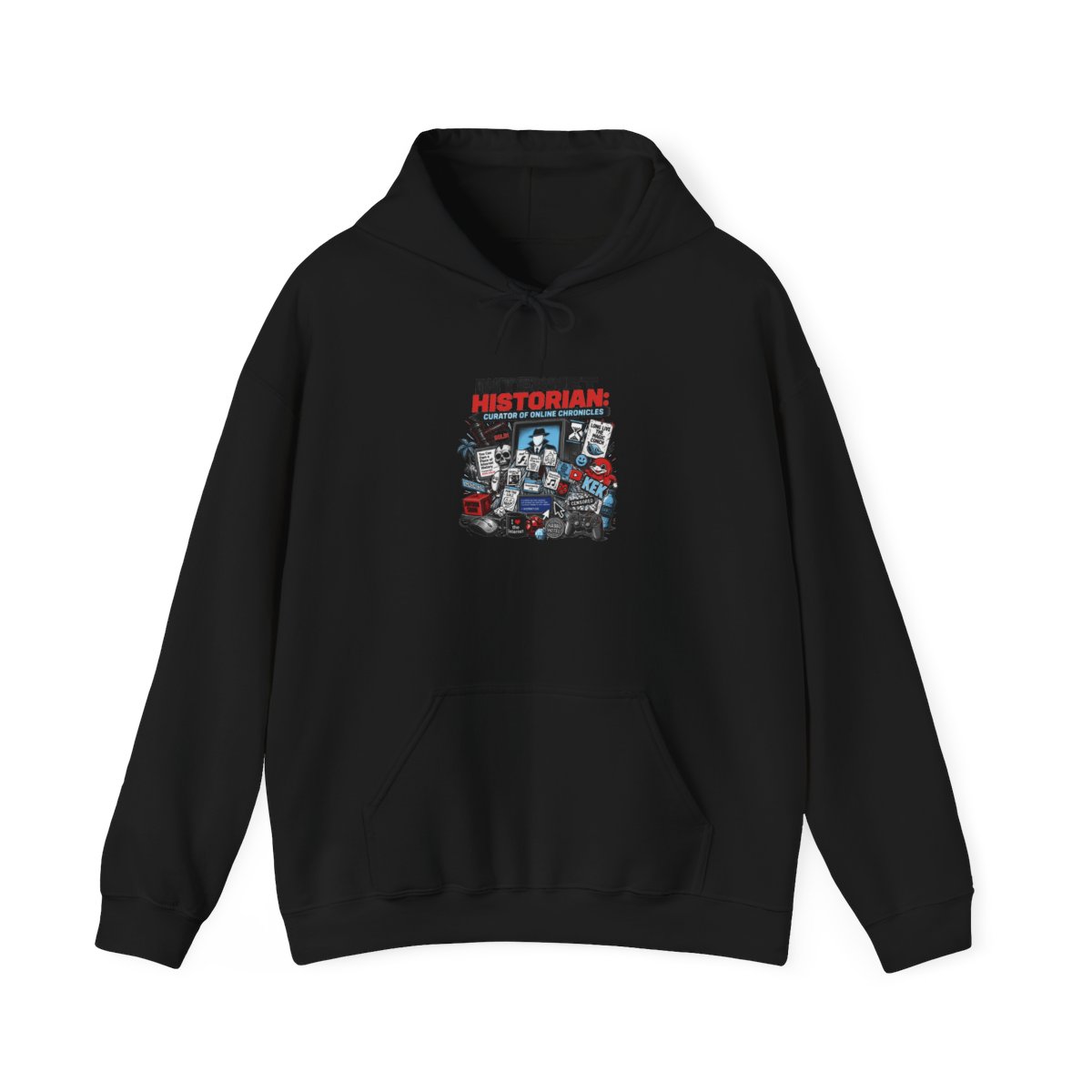
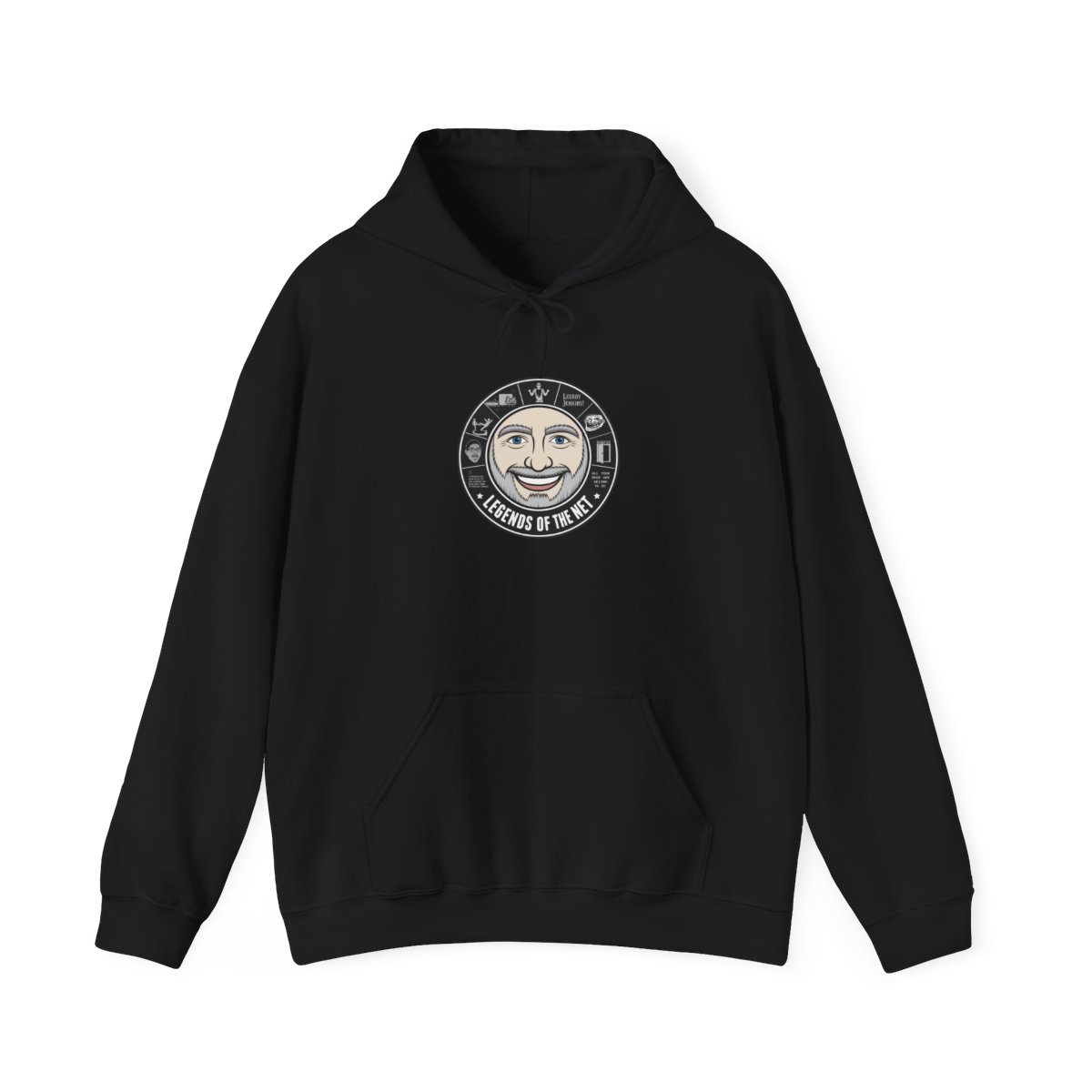
The hoodie is a flagship item. The iconic “Internet Historian” script or the grinning face design needs protection.
Step-by-step washing routine
1. Turn the hoodie inside out. This shields the print and surface from friction. 2. Use cold water (60 - 70°F). Hot water accelerates fading and shrinkage. 3. Select a gentle or delicate cycle. Avoid heavy agitation. 4. Use mild detergent. Skip bleach, fabric softener, and stain removers with optical brighteners. 5. Wash with similar colors to prevent dye transfer.
The hoodie’s drawstrings and cuffs are often knit with elastane. Hanging dry is best. If you must machine dry, use low heat and remove while slightly damp to prevent over-drying.
Common mistake: Over-drying
I’ve seen people dry hoodies on high heat “to save time.” This kills the elastic and shrinks the cotton. The hoodie loses shape after a few cycles. Air drying is the safest bet. Lay flat on a clean towel or hang on a padded hanger.
T-Shirt Care to Keep Prints Vibrant
Tees get the most wear. The direct-to-garment (DTG) prints on Internet Historian tees are vibrant but delicate. Here’s how to keep them looking fresh.
Washing tips specifically for DTG
- Wash inside out always. Creates a barrier against friction.
- Cold water only. Warm water can soften the ink binder and cause peeling.
- Turn pockets inside out too. Pockets trap lint and rub against the print.
- Skip the high-spin cycle. Extra spin stresses the print.
Drying techniques
Air drying is ideal. Hanging a tee by the shoulders can cause stretching; use a drying rack or lay flat. If you use a dryer, pick the lowest heat setting and pull the shirt out while still slightly damp. Residual moisture prevents over-drying.
Ironing precautions
Never iron directly over a DTG print. The heat melts the ink. If you must iron, turn the shirt inside out and use a pressing cloth. Or use a steamer from a distance.
Storage Tips for Collectible Items
Limited-run items like the “The Button” hoodie or signed posters demand extra care.
Environment matters
- Store in a cool, dark place. UV light from sunlight fades prints quickly.
- Avoid damp basements or attics. Moisture causes mildew and yellowing.
- Ideal temperature: 60 - 75°F, humidity 40 - 50%.
Folding vs. hanging
- T-shirts and hoodies: Folding is safer than hanging. Hangers can stretch the neckline and shoulders. Use a drawer or shelf with acid-free tissue paper between layers.
- Posters and art: Frame with UV-protective glass. Never store rolled up for years - the curve becomes permanent.
- Hats (if any): Store on a form or shelf. Avoid crushing the brim.
For archive pieces
If you have a pristine first-print hoodie you plan to keep, consider storing it in a sealed garment bag after cleaning. Add silica gel packs to control humidity.
Handling Stains and Minor Damage
Stains happen. Here’s how to treat them without ruining the print.
Immediate action
- Blot (don’t rub) the stain with a clean cloth. Rubbing pushes it deeper into fibers.
- Rinse cold water from the inside out - pushes the stain away from the print.
Stain removal methods
| Stain Type | Safe Solution | Technique |
|---|---|---|
| Food/grease | Dish soap + cold water | Apply soap directly, gently rub, rinse |
| Ink | Rubbing alcohol on a cotton swab (avoid print area) | Dab from outside-in |
| Mud | Let dry, brush off, then cold wash | Avoid water until dry |
| Blood | Cold water + hydrogen peroxide | Soak, not scrub |
Never use bleach. It destroys the print’s color even if diluted.
Repairing small issues
- Loose threads: Trim them with scissors; don’t pull. Pulling can unravel seams.
- Minor pilling: Use a fabric shaver or sweater stone. Test on an inconspicuous area first.
- Cracks on prints: Can’t be fully repaired. A thin layer of fabric glue under the peeling edge can help, but it’s risky. Better to accept mild wear or retire the piece.
When to Retire Your Favorite Piece
No item lives forever. Recognize the signs that a piece has served its time.
Signs it’s time to let go
- Print has large cracks or is flaking off
- Fabric has holes or thinning beyond a minor repair
- Elastic waistband or cuffs are permanently stretched out
- Fading is so extreme that the design is unrecognizable
Repurposing ideas
Before tossing, consider:
- Cutting the design panel out and framing it as art
- Using the fabric as a dust rag (if no sentimental value)
- Turning it into a pillow cover with basic sewing
When to buy a replacement
If the item was a core wardrobe piece, check the store for restocks. Some designs return, but limited releases may not. Appreciate the wear you got - worn merch tells a story.
Key Takeaways
- Always wash inside out, cold water, gentle cycle.
- Air dry or low heat: never high heat.
- Store in cool, dark, dry places away from sunlight.
- Treat stains immediately without bleach.
- Know when to retire: cracked prints or holes mean it’s done.
Frequently Asked Questions
Can I use fabric softener on Internet Historian merch?
Fabric softener leaves a residue that can clog print pores and reduce breathability. It also weakens elastic fibers. Skip it for best print longevity.How often should I wash my hoodie to preserve it?
Wash only when visibly dirty or after heavy sweat. Over-washing accelerates wear. Air out between wears by hanging in a ventilated area.Does the print fade faster if I sun-dry?
Yes, direct UV light breaks down DTG ink. Air dry indoors or in shade. If outdoors on a line, hang inside out and avoid peak sunlight.Can I tumble dry a signed poster by mistake?
Never. Poster paper can warp or curl. Frame it instead. For shipment mishaps, contact the store support team through the contact form for assistance.Why is my hoodie pilling after a few washes?
Pilling happens from friction. Wash with similar fabrics, avoid overloading the machine, and use a fabric shaver to remove pills. Low tumble dry also reduces pilling.
Related Posts
Merch Guides
Internet Historian Merch Designs: Stories Behind the Icons
From the Urinal Cake to the Man in Cave, discover the stories behind Internet Historian's most popul...
Merch GuidesThe Complete Internet Historian Merch Collection: Every Design and Story Behind It
Dive into the full story behind every Internet Historian merch design, from the early tees to limite...
Shop Internet Historian Merch
Official merchandise — premium quality, designed for the community.