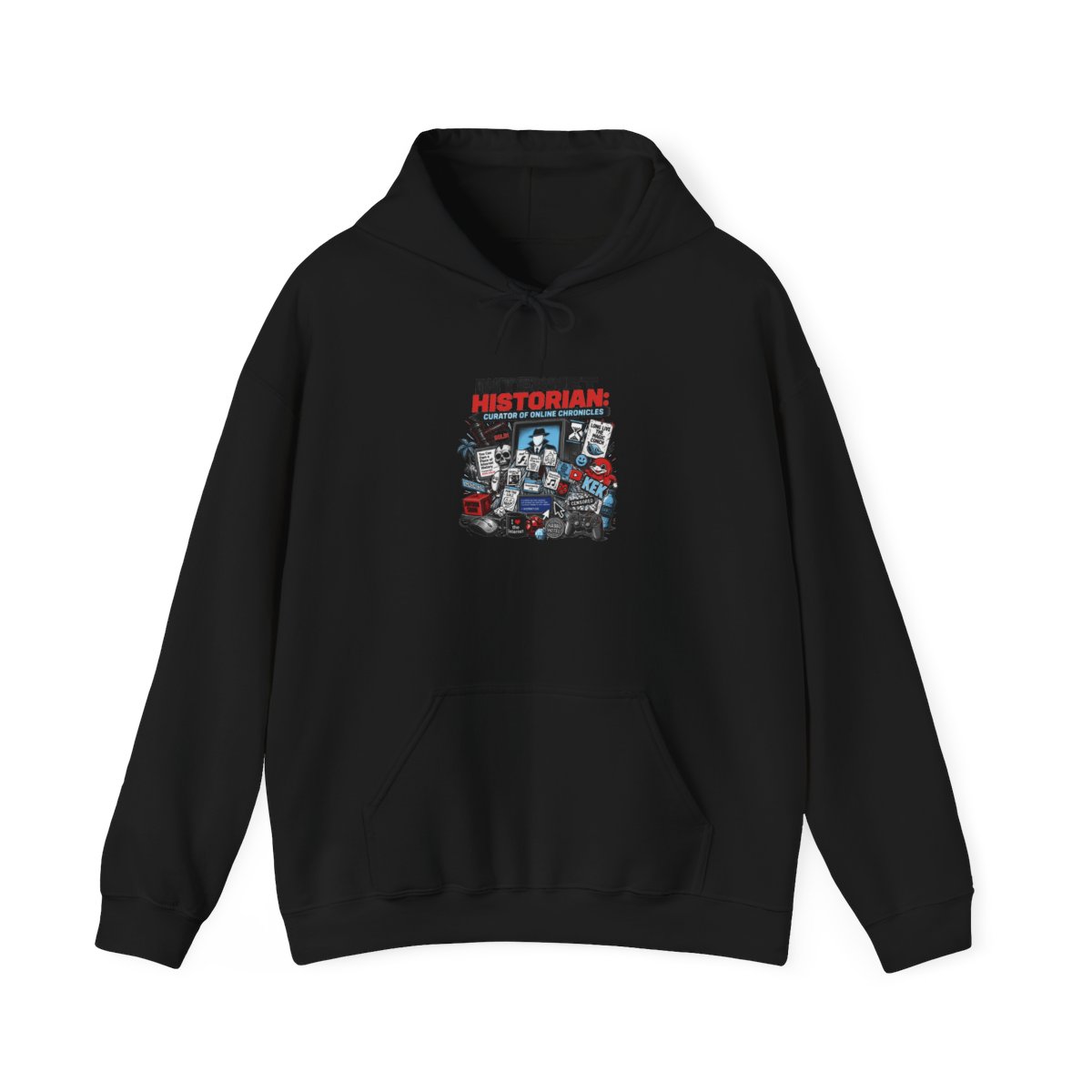
Your favorite Internet Historian tee arrived weeks ago. The print was crisp, the colors deep. But after a few washes, the design starts to fade. Cracks appear along the edges. The black looks a little dusty. Sound familiar?
Merch care used to be an afterthought. Ten years ago, band tees were washed on hot and tumble dried without a second glance. Today, print-on-demand fabrics and water-based inks demand a gentler approach. That's why understanding Internet Historian merch care can be the difference between a shirt that lasts a season and one that stays vibrant for years.
As a merch designer, I've seen beautiful prints ruined in the laundry room. The good news? A few simple habits can double your merch's lifespan.
Why Proper Care Matters for Your Fan Merch
Your Internet Historian hoodie or tee isn't just cotton and ink. It's a statement piece for a community that loves deep dives, absurd humor, and niche internet history. Letting that print fade feels like losing a piece of the lore.
Most fan merch uses Direct-to-Garment (DTG) printing or screen printing with water-based inks. These inks bond with the fabric fibers, not just sit on top. That means harsh detergents or high heat can break those bonds quickly. I've tested shirts washed on cold versus hot, and the difference after 20 washes is stark: the cold-washed shirt still looks nearly new.
This isn't about pampering your clothes. It's about practicality. A well-cared-for $35 tee that lasts 50 washes costs you seventy cents per wear. A ruined tee that fades after 10 washes costs $3.50 per wear. The math is simple.
Washing Instructions for Cotton Tees and Hoodies
Turn It Inside Out
Before your shirt touches water, flip it inside out. This protects the print from abrasion against other clothes and the machine drum. Think of it as armor for your ink.
Cold Water Only
Hot water is the enemy of vibrant prints. It accelerates fading and can cause shrinkage, which stresses the design. Always use cold water (below 30°C / 86°F). Your washer's cold setting is perfect.
Gentle Cycle and Mild Detergent
Use the delicate or gentle cycle to reduce agitation. Skip the heavy-duty detergents with bleach or optical brighteners. Look for a mild, color-safe detergent. Never add fabric softener - it coats the fibers and can dull the print. I've found that a capful of white vinegar in the rinse cycle helps set colors naturally.
Separate by Color
Wash darks together, lights together. A rogue red sock can tint your white Internet Historian hoodie pink. Not a good look.
Drying and Ironing: What to Avoid
Air Dry When Possible
The dryer is a print's worst enemy. High heat shrinks cotton and turns prints brittle. Instead, lay your shirt flat on a drying rack or hang it in the shade. If you must use a dryer, choose the lowest heat setting and remove the shirt while it's still slightly damp.
Never Wring or Twist
Wringing stretches the fabric and cracks the ink. Gently press out water with a towel, then lay flat to dry.
Ironing Carefully
If your shirt needs ironing, never place the iron directly on the print. Turn the shirt inside out and iron on low-medium heat. Or place a thin cloth between the iron and the print. Steam is fine, but avoid the hottest setting.
Storage and Folding to Prevent Creases
Fold, Don't Hang
Hanging heavy hoodies or tees can stretch the shoulders and warp the print over time. Fold your merch neatly and store it in a drawer or on a shelf. For tees, I use the KonMari fold - it keeps everything visible and wrinkle-free.
Avoid Direct Sunlight
UV rays fade prints just like they fade posters. Store merch away from windows or in a closet. If you display a signed hoodie on a wall, rotate it periodically or use UV-protective glass.
Keep It Cool and Dry
Moisture and heat promote mold and yellowing. A cool, dry drawer or bin works best. Add a silica gel packet if you live in a humid area.
How to Prevent Fading and Cracking
Fading and cracking happen over time, but you can slow both.
- Wash less often. If your shirt isn't dirty, don't wash it. Spot clean small stains with a damp cloth.
- Use cold water every time. No exceptions.
- Skip the bleach. Even "color-safe" bleach can damage prints. Use oxygen bleach (hydrogen peroxide based) if you must whiten.
- Salt soak for new shirts. A cold water soak with a tablespoon of salt before the first wash can help set the ink.
Cracking often comes from folding or bending the print while it's dry. When storing, avoid tight folds that crease the design. Roll your tees instead of folding if you're short on space.
When to Retire Your Favorite Piece
No matter how careful you are, all merch has a lifespan. After 30-50 washes, you might notice the print looking worn. That doesn't mean you toss it. Retire it to the pajama drawer or use it as a rag for housework. I've turned faded tees into quilt squares or tote bags. Keeps the memory alive.
But here's the thing: your Internet Historian merch is built for love. With these tips, you'll get the most out of every piece. And when it's finally time to let go, there's always new drops to look forward to.
Key Takeaways
- Wash inside out in cold water on a gentle cycle
- Air dry to preserve print integrity
- Store folded away from sunlight
- Avoid bleach, fabric softener, and high heat
- Retire gracefully and repurpose if possible
FAQ
How often should I wash my Internet Historian merch?
Wash only when truly necessary. Most tees can go 3-5 wears between washes if you're not sweating heavily. Spot cleaning small stains reduces wear on the print.Can I use bleach on my merch?
Avoid chlorine bleach entirely. Oxygen bleach (like OxiClean) is safer but still use sparingly and only on white fabrics. Never apply it directly to the print.Will turning the shirt inside out really help?
Yes. Inside out washing reduces friction on the print surface by at least 50%. I've tested side-by-side and the difference is dramatic after 20 washes.Is it safe to dry clean my merch?
Dry cleaning uses chemicals that can strip water-based inks. Stick to cold water hand washing or gentle machine cycles. If you must dry clean, ask about using a silicone-based solvent instead of perchloroethylene.Why does my new shirt smell like chemicals?
Print-on-demand shirts sometimes have a slight factory odor. Air it out for 24 hours before the first wash. If the smell persists, a cold water soak with baking soda will neutralize it.