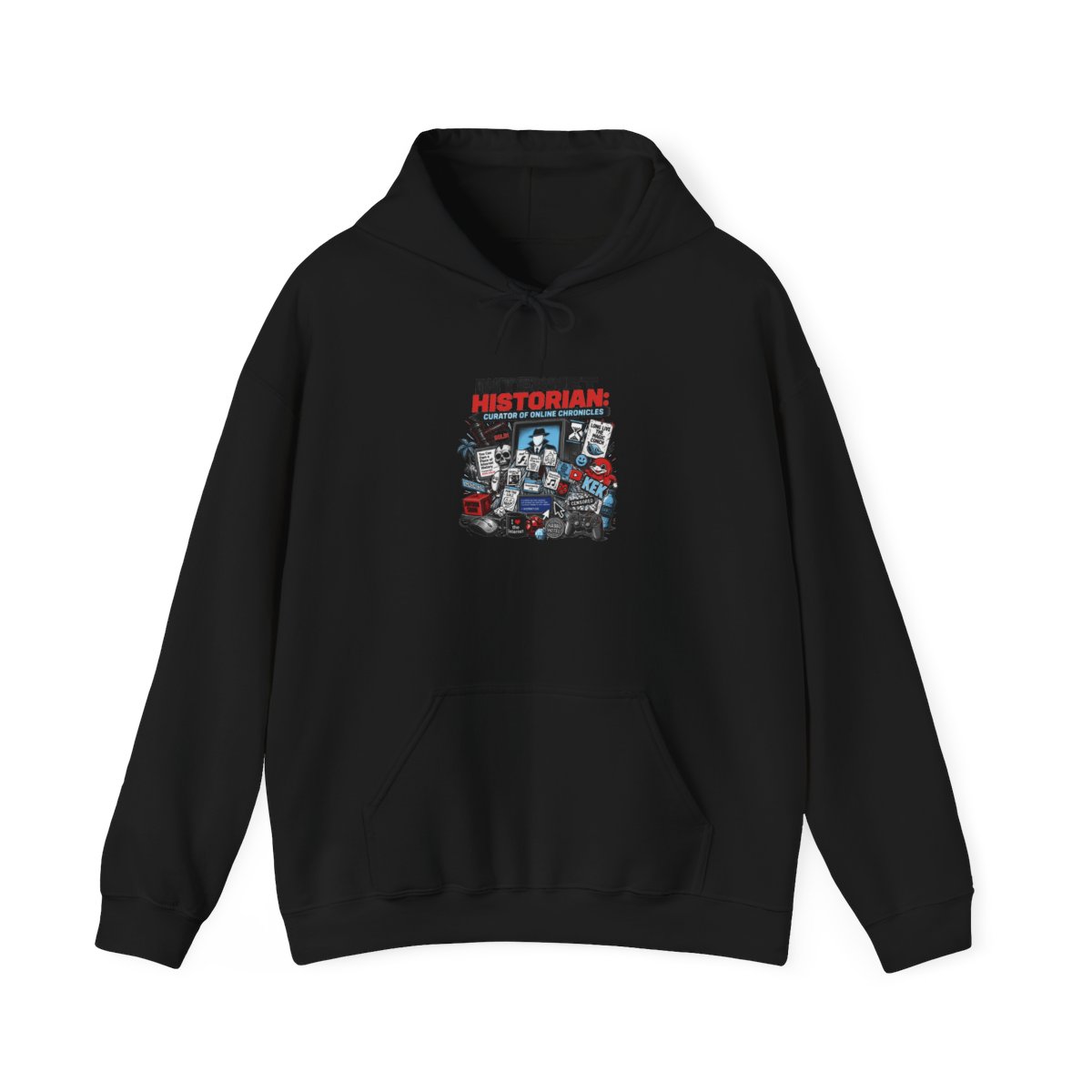
Most counterfeit Internet Historian merch isn't even trying to fool you - it's so sloppy that it's almost insulting. The print is often misaligned, the fabric feels like sandpaper, and the colors are off. But with the rise of sophisticated knockoffs on platforms like Amazon and eBay, even veteran fans are getting duped. This guide will teach you exactly what to look for, step by step.
← Back to Blog
How to Spot Fake Internet Historian Merch in 2026
Learn how to identify counterfeit Internet Historian merchandise with four telltale signs, where to buy authentic gear, and what to do if you've been scammed.
Why Buying Authentic Internet Historian Merch Matters
Supporting the creator is the obvious reason, but there's more to it. Authentic merch is designed to last. I've seen counterfeit shirts shrink two sizes after three washes, while official pieces hold their shape for years. The fabric weight, print adhesion, and tag quality are worlds apart. For collectors who want their gear to survive convention trips and laundry cycles, the extra $10 is worth it.
Quality differences
Official Internet Historian merchandise uses high-quality screen printing on thick, pre-shrunk cotton. The prints are vibrant and don't crack after a few washes. Fakes often use cheap heat-transfer vinyl that peels, or a thin plastisol ink that flakes off. The fabric is usually a lightweight poly-cotton blend that pills within weeks.
Supporting the community
Every official purchase funds more content and keeps the channel ad-supported free. Counterfeit sales steal that revenue and often come from shady operations with no customer support. When you buy fake, you risk losing your money and getting a product that falls apart.
4 Common Signs of Counterfeit Internet Historian Apparel
1. Off-Center Print or Misaligned Design
The most obvious red flag. On the official "Man in Cave" tee, the cave entrance sits exactly 3 inches from the neck seam. Fakes often place it lower or cockeyed. Pull out a ruler - if the design is more than half an inch off center, it's likely fake.
2. Wrong Colors
Internet Historian's logo uses a very specific electric blue (#00BFFF). Counterfeiters often use a dull navy or cyan. The "Who's the Champ?" hoodie features a bright yellow that fades to neon green on knockoffs. Compare with official product photos on the store.
3. Cheap Tags
Official shirts have a woven neck tag with the brand name (Bell Tees or similar) and a separate care tag. Fakes often print directly on the collar with an ink that fades or a QR code that leads to a scam site. If the tag feels like sticker paper, walk away.
4. Wrong Print Size
Fake printers don't scale correctly. The "Cursed Image" design should be about 10 inches wide on a size L. Fakes often blow it up to 13 inches, making the face look stretched. Check the dimensions against the store's size chart.
The Only Official Place to Buy Internet Historian Gear
There's only one authorized store: the link in the video descriptions and on official social media. That URL ends in a specific domain (like internethistorian.store, not a generic platform). Any other site - Redbubble, Teespring, Amazon, eBay - is unauthorized and selling counterfeit goods, even if they claim to be "fan art."
Why not buy from third parties?
Those platforms have no quality control. Prints are often done on demand with whatever blank is cheapest. You won't get the same material, print technique, or color accuracy. Plus, Internet Historian gets nothing from those sales. If you want to support the creator and get a shirt that lasts, go direct.
What to Do If You Accidentally Bought Fake Merch
First, check the seller's return policy. Many marketplace sellers claim "no returns" but will fold if you dispute with your payment provider. File a claim with PayPal, credit card, or the platform directly. Take clear photos of the defects - off-center print, peeling details - and note the wrong tag.
Community action
Post a photo in the official Discord or subreddit to warn others. Include the seller name and any identifying details. The community is great at spotting and flagging these shops. Then, buy the real thing from the official store. Consider it a lesson - you'll now recognize the signs instantly.
How to avoid in future
Bookmark the official store URL. Never buy from social media ads that seem too cheap. If a deal looks too good - a $10 hoodie when official is $50 - it's almost certainly fake. Trust your gut and always verify the source.
Key Takeaways
- Fake Internet Historian merch often has off-center prints, wrong colors, cheap tags, and poor fabric.
- Only buy from the official store linked in video descriptions - nowhere else.
- If you're scammed, dispute with your payment provider and report the seller.
- Quality matters: official shirts hold up after dozens of washes; fakes fall apart quickly.
FAQ
How can I tell if my Internet Historian shirt is real?
Check the tag - official shirts have a woven neck tag and separate care tag. Compare the print placement and colors to official product photos. If the fabric feels thin or the print is off-center, it's likely counterfeit.
Does Internet Historian sell on Amazon?
No. Any listing on Amazon, eBay, or similar marketplaces is unauthorized and selling counterfeit products. Only purchase from the official store link in video descriptions.
Why is fake merch bad for the creator?
Fake sales directly steal revenue from Internet Historian, reducing funding for future content. They also damage the community by offering low-quality products that reflect poorly on the brand.
What material does official IH merch use?
Official shirts are typically 100% ring-spun cotton, weight 5.3 oz. Hoodies are a heavy 8 oz blend. Counterfeits often use a thin 3.5 oz poly-cotton that feels cheap and wrinkles easily.
Can I get a refund if I bought fake merch from a third party?
You may be able to dispute the charge with your credit card or PayPal. Most platforms have buyer protection for counterfeit goods. Provide photos and a description of the defects.
Related Posts
Merch
5 Back to School Accessories for Internet Historian Fans
Discover the 5 best back to school accessories for Internet Historian fans. From tote bags to enamel...
MerchThe Best Internet Historian Merch Bundles in 2026
Discover which Internet Historian merch bundle matches your favorite video and gets you the best val...
MerchHow to Choose the Right Internet Historian Hoodie Size
Find your perfect fit with our Internet Historian hoodie size guide. Learn how to measure, understan...
Shop Internet Historian Merch
Official merchandise — premium quality, designed for the community.